
Como um armazém logístico moderno melhora a eficiência da cadeia de suprimentos e reduz os custos operacionais.
armazém logístico modernocontinuará crescendo à medida que o comércio eletrônico, a manufatura e o comércio global se expandem. As empresas reconhecem cada vez mais que a infraestrutura de armazéns não é apenas um centro de custos, mas um ativo estratégico.Os desenvolvimentos futuros deverão incluir:
Maior automação
Construção mais sustentável
Análise de dados aprimoradaIntegração de armazém inteligenteMaior flexibilidade operacional
Conclusão
UM
armazém logístico moderno
É um dos investimentos mais importantes que uma empresa pode fazer no mercado competitivo atual. Ao aprimorar a gestão de estoque, aumentar a eficiência do armazenamento, reduzir os custos de transporte e dar suporte ao crescimento futuro, um armazém logístico moderno gera valor significativo a longo prazo.
Empresas que investem em um armazém logístico moderno e projetado profissionalmente se posicionam para maior eficiência operacional, melhor atendimento ao cliente e crescimento sustentável dos negócios nos próximos anos.
Transportation coordination areas
Office and management facilities
The primary goal of a modern logistics warehouse is to maximize efficiency while minimizing operational costs.
Why Businesses Need a Modern Logistics Warehouse
The importance of a modern logistics warehouse has increased dramatically due to changes in global commerce.
Faster Delivery Requirements
Customers expect shorter delivery times than ever before. A modern logistics warehouse allows businesses to process orders quickly and improve distribution performance.
Inventory Accuracy
Advanced management systems help a modern logistics warehouse maintain accurate inventory records and reduce stock shortages.
Lower Operating Costs
Optimized layouts and efficient workflows enable a modern logistics warehouse to reduce labor requirements and improve productivity.
Scalability
A properly designed modern logistics warehouse can adapt to future business growth without major structural changes.
Key Features of a Modern Logistics Warehouse
Large Clear-Span Storage Areas
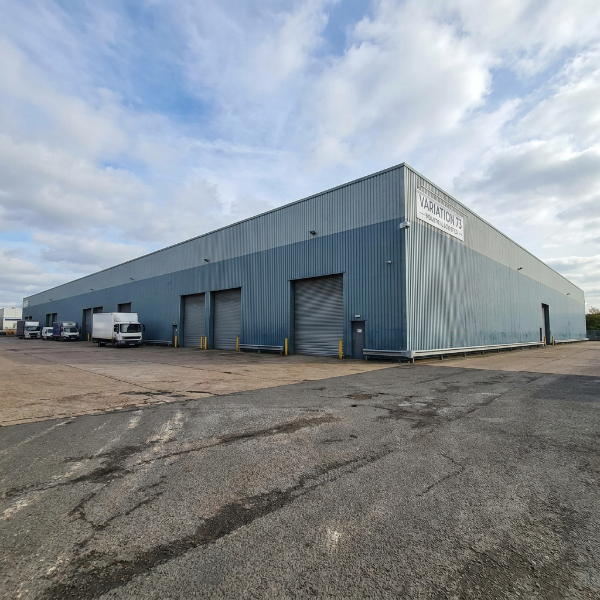
A modern logistics warehouse often uses steel structure systems that provide large column-free spaces. This allows greater flexibility for storage racks, forklifts, and automated equipment.
High Storage Capacity
By utilizing vertical storage solutions, a modern logistics warehouse can significantly increase inventory capacity without expanding the building footprint.
Efficient Dock Design
Loading and unloading operations are critical for logistics performance. A modern logistics warehouse includes strategically positioned loading docks that improve vehicle flow and reduce waiting times.
Smart Inventory Management
Technology plays a major role in the operation of a modern logistics warehouse. Barcode systems, RFID tracking, and warehouse management software help maintain inventory accuracy and improve order processing speed.
The Role of Steel Structures in a Modern Logistics Warehouse
Many companies choose steel construction when building a modern logistics warehouse because of its numerous advantages.
Faster Construction
Steel components can be prefabricated and assembled quickly, allowing a modern logistics warehouse to become operational sooner.
Long-Term Durability
A steel-framed modern logistics warehouse provides excellent structural strength and long service life.
Expansion Flexibility
As business requirements change, a modern logistics warehouse built with steel can often be expanded more easily than traditional structures.
Cost Efficiency
The combination of reduced construction time and lower maintenance requirements makes steel an ideal choice for a modern logistics warehouse.
How a Modern Logistics Warehouse Improves Supply Chain Performance
The effectiveness of a supply chain is closely linked to warehouse performance. A well-designed modern logistics warehouse contributes to success in several ways.
Improved Inventory Visibility
Real-time tracking allows businesses to monitor inventory levels and reduce stock discrepancies.
Faster Order Fulfillment
Efficient workflows help a modern logistics warehouse process orders quickly and accurately.
Reduced Transportation Costs
Strategic warehouse locations and optimized loading systems improve transportation efficiency.
Better Customer Service
Faster deliveries and accurate inventory information enhance customer satisfaction.
Important Design Considerations
When planning a modern logistics warehouse, several factors should be carefully evaluated.
Building Location
The location of a modern logistics warehouse influences transportation costs, labor availability, and customer accessibility.
Storage Requirements
Different products require different storage solutions. A modern logistics warehouse should be designed around actual inventory characteristics.
Future Growth
Expansion capability should be included in the initial design of a modern logistics warehouse to accommodate future business development.
Energy Efficiency
Energy-saving lighting, insulation systems, and ventilation solutions can reduce operating expenses over the life of a modern logistics warehouse.
Technology Trends in the Modern Logistics Warehouse
Technology continues to transform the logistics industry.
Automation
Automated storage and retrieval systems are becoming increasingly common in the modern logistics warehouse.
Robotics
Warehouse robots help improve picking efficiency and reduce labor costs.
Artificial Intelligence
AI-driven systems optimize inventory management and improve forecasting accuracy.
Internet of Things
Connected devices provide real-time operational data throughout the modern logistics warehouse.
Sustainability and Environmental Benefits
A modern logistics warehouse is increasingly designed with sustainability in mind.
Common environmental features include:
Solar energy systems
Energy-efficient lighting
Recyclable construction materials
Rainwater collection systems
Smart energy monitoring
These improvements help reduce environmental impact while lowering operational costs.
Common Mistakes to Avoid
Businesses planning a modern logistics warehouse should avoid:
Underestimating future storage needs
Poor dock placement
Inadequate traffic flow planning
Insufficient technology integration
Choosing design based solely on initial cost
A successful modern logistics warehouse requires careful long-term planning.
Future Outlook
The demand for a modern logistics warehouse will continue growing as e-commerce, manufacturing, and global trade expand. Companies increasingly recognize that warehouse infrastructure is not simply a cost center but a strategic asset.
Future developments are expected to include:
Greater automation
More sustainable construction
Enhanced data analytics
Smart warehouse integration
Increased operational flexibility
Conclusion
A modern logistics warehouse is one of the most important investments a business can make in today's competitive marketplace. By improving inventory management, increasing storage efficiency, reducing transportation costs, and supporting future growth, a modern logistics warehouse creates significant long-term value.
Companies that invest in a professionally designed modern logistics warehouse position themselves for greater operational efficiency, stronger customer service, and sustainable business growth in the years ahead.